No more war
Silent memorials in Normandy that remind us of the madness of war. Their message is more important than ever. Free work as part of a camera test.
Client
free work as part of a camera test
They stand there as silent witnesses against war – bunkers, landing platforms, military cemeteries. On the Normandy coast for around 80 years. They are memorials that remind us of the insanity of war. The most famous of these symbols is probably the bunker at Saint Marguerite-sur-Mer. During the Second World War, it was located above the cliffs. Due to ongoing erosion, there was a danger that it would one day fall from the cliff. In 1994, it was demolished from above the cliff to the beach in a controlled explosion. Gravity rotated it 90 degrees as it fell, and in this position it became embedded in the beach. I was there for two days to photograph it at different times of day and in different lighting conditions. I noticed the rusty metal reinforcements. Like scars, they run through the concrete and tell us in their own way that war always leaves wounds and scars. There are no winners in a war, only losers.
The remains of the landing platforms come from the historic Mullberry Harbor, built by the Allies in Arromanches-les-Bains. This artificial harbor and other identically constructed harbors played a crucial role in supplying troops after the Normandy landings. The structure consisted of huge concrete blocks, called caissons, sunk into the sea to create a protected harbor facility. Floating roads, called whale bridges, connected the ships to land and enabled the transport of vehicles and goods. These whale bridges were prefabricated in Great Britain in utmost secrecy, towed in sections across the English Channel, and assembled on site in Arromanches-les-Bains. Immediately after D-Day, on June 6, 1944, the ships set sail from Great Britain with the whale bridge components, and the first parts were assembled in Normandy as early as June 7, 1944. Within a few days, Mulberry B, the name of the artificial harbor, was operational. However, on June 19, 1944, it was severely damaged by a storm. Nevertheless, it remained in operation until October 1944. Hundreds of thousands of tons of material and many soldiers were brought ashore here.
As we continued driving, we discovered a painted bunker with a dove of peace, a rainbow, and colorful balloons, reminding us that peace is one of the highest goods.
I edited the images in this series – sometimes gently, sometimes intensely. Always with the goal of making these memorials as powerful as possible. Their message to us is more important than ever.


Photo reportage with analogue character
Implementation of a photo reportage in analogue style
Client
Condecta AG, Winterthur
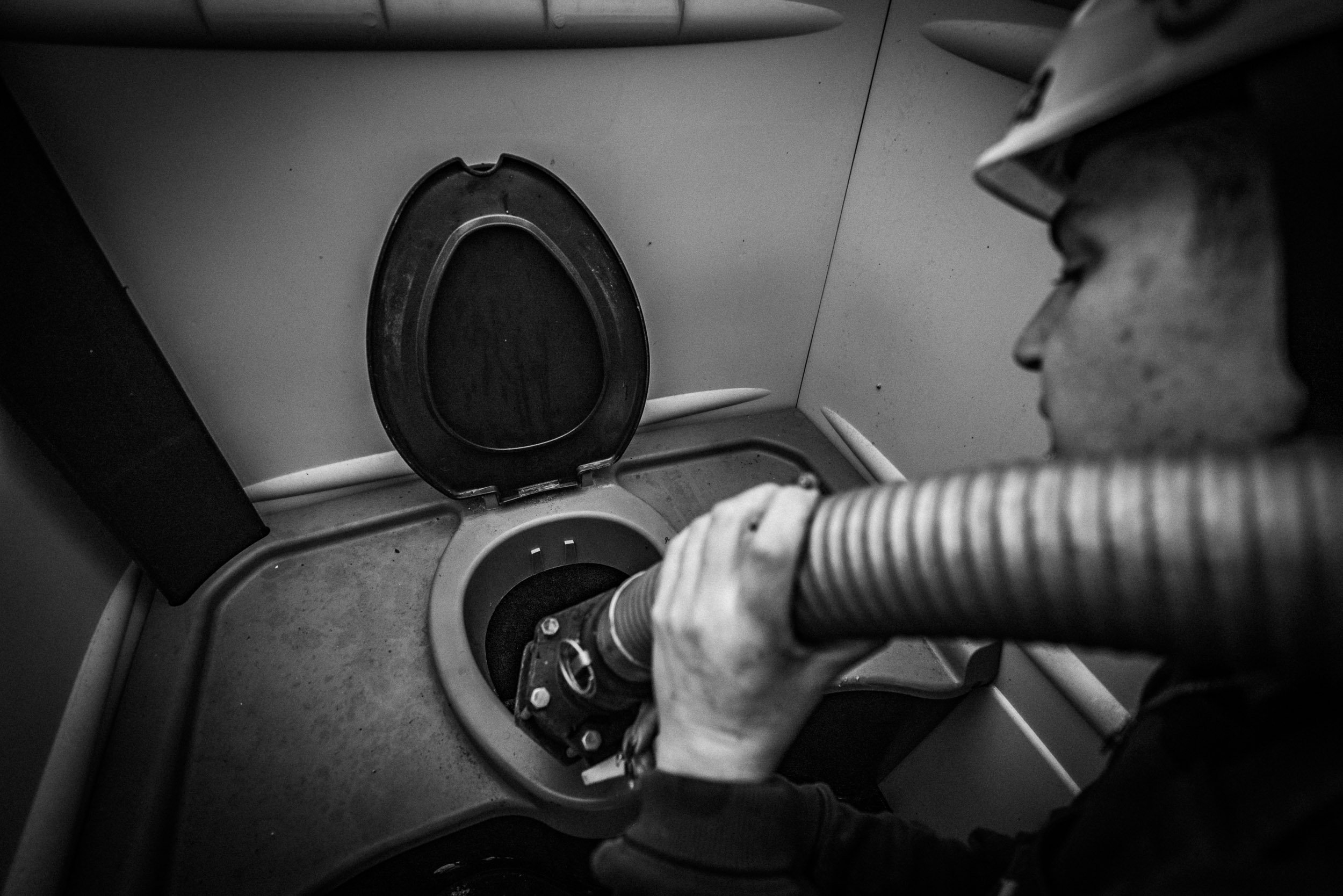
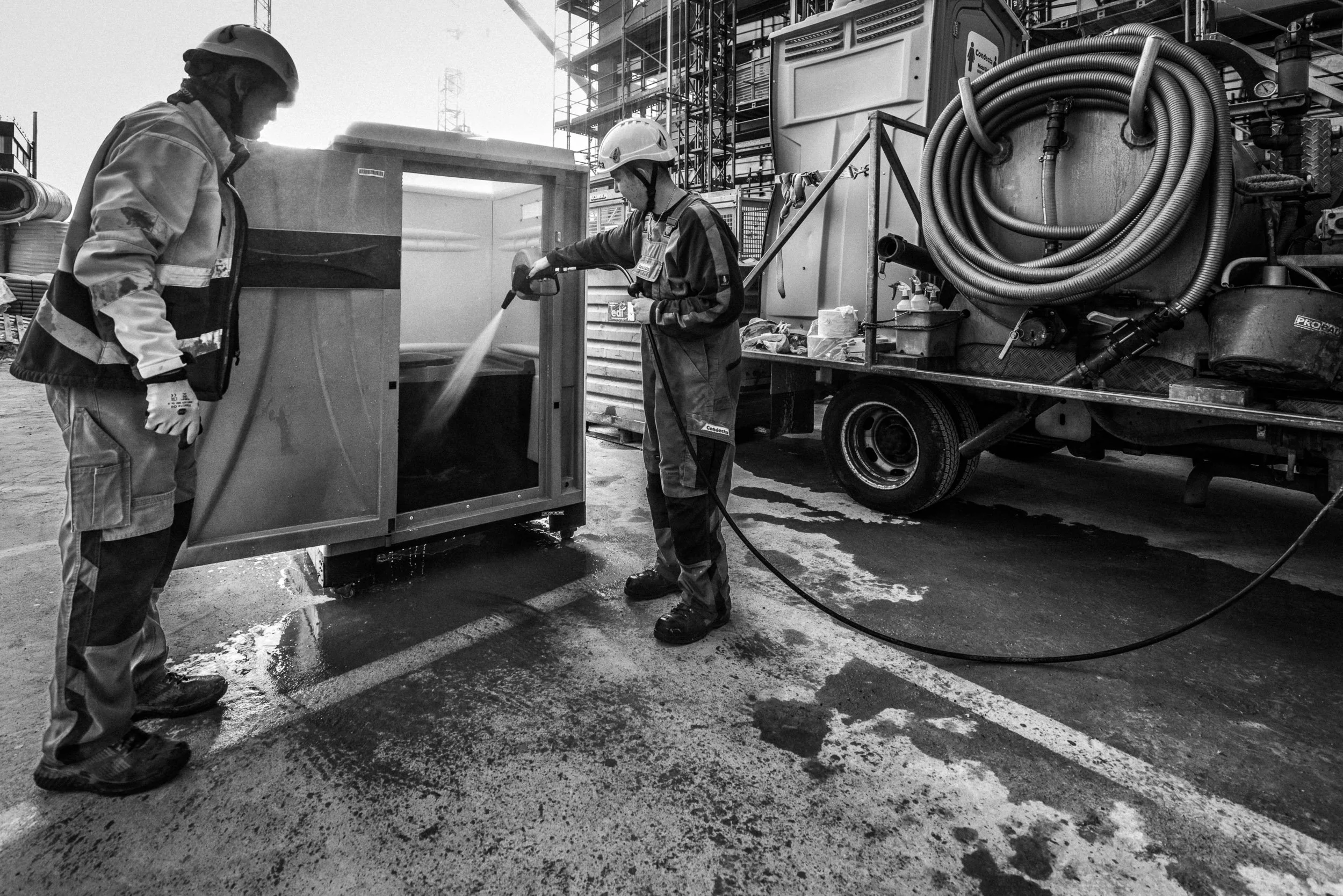
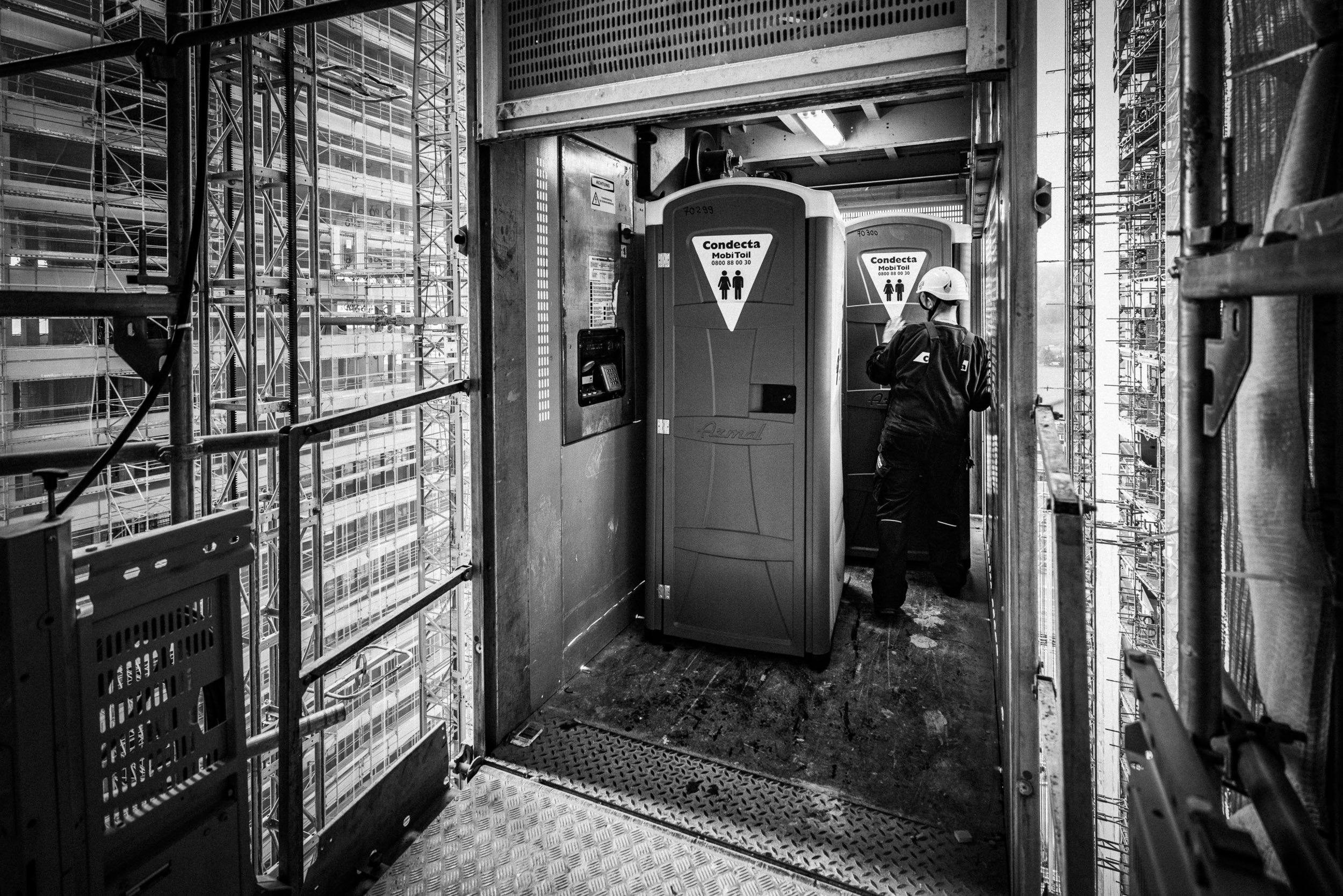
There are sometimes photographic subjects that really call for special image processing. This was the case with the photo reportage about MobiToils from the company Condecta: small, portable toilets that are placed on large construction sites in high-rise buildings. Because when a construction worker is working on the 16th floor of a high-rise, there is no toilet in the building, no elevator, and in some cases not even a staircase. Therefore, the company Condecta distributes small, portable toilets across the various floors. When three high-rise buildings are being built at once, that's quite a lot of toilets, which then have to be constantly emptied and cleaned by employees. Everything has to be done quickly, and it's a tough world on the construction site.
That's why I've prepared a small series of images with an analog look – fitting the theme, so to speak: black and white with vignetting and film grain. The good old analog days were beautiful after all ;-).
As always, I shot digitally in color with the Leica SL2. Everything had to be done quickly, so I shot with the two excellent SL zooms—the SL 16-35 and the SL 24-90mm.






Camargue salt
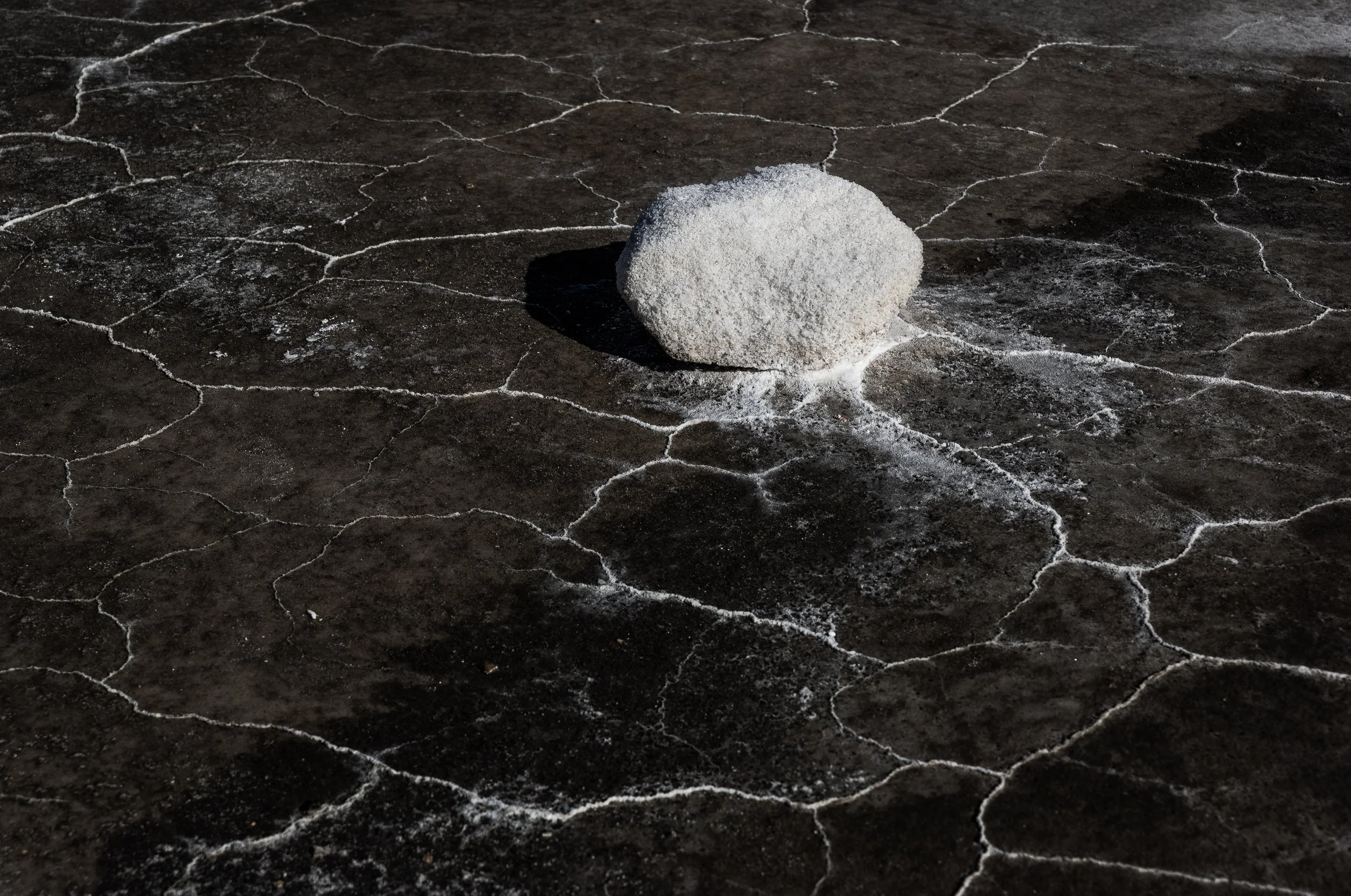
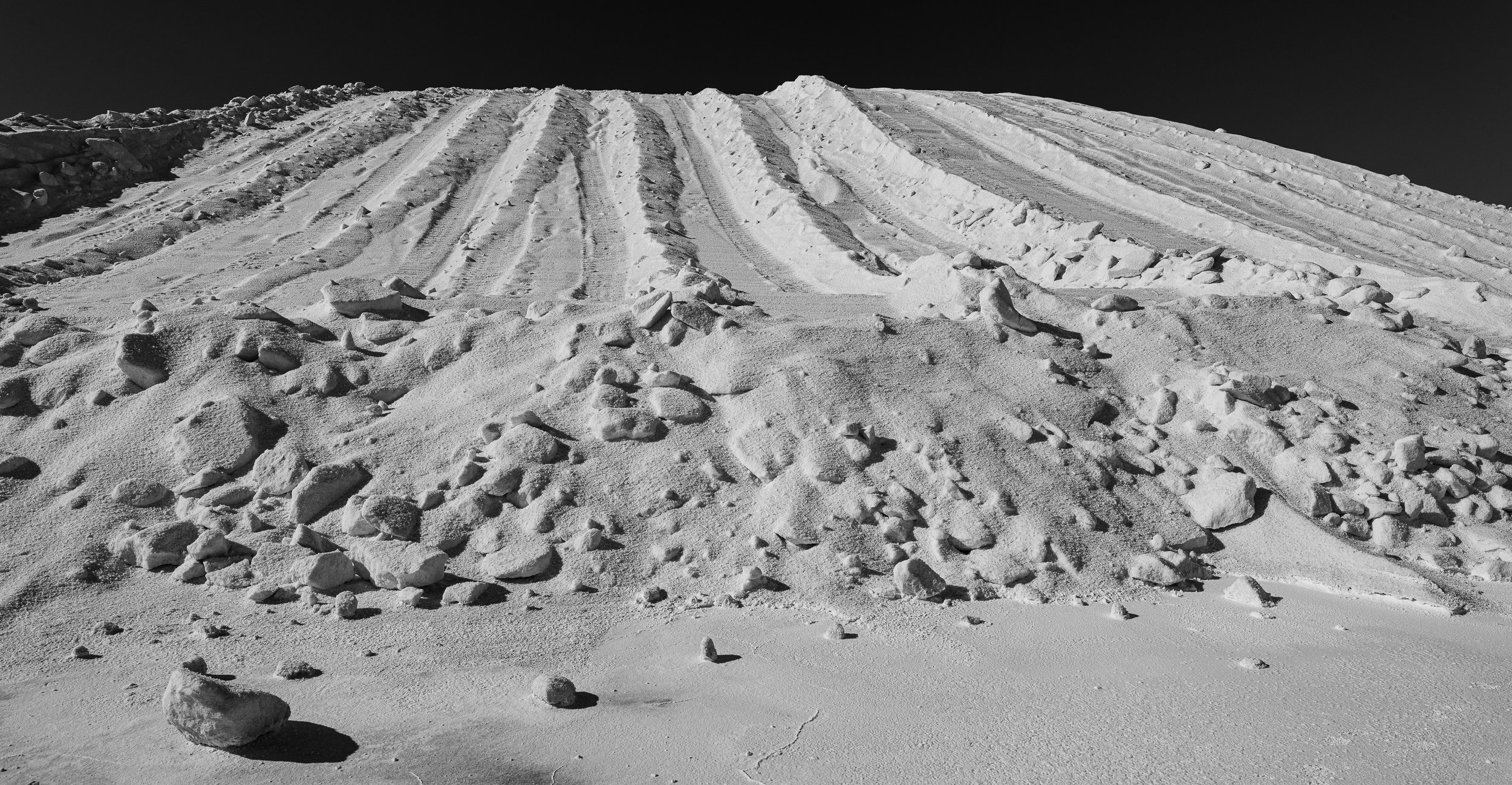
Some impressions from a salt production plant in the Camargue, taken during a Leica photography workshop
Client
Images taken during a Leica workshop in the Camargue
Salt doesn't seem to let me go. After the major photo reportage with the Leica SL2 in Brittany, I was drawn back to France and the salt. This time, however, to the Camargue. As part of the photo festival in Arles, I organized a photography workshop for Leica together with my friend Christian Habermeier . In the afternoon, we spent some time with the participants in a salt production facility. The window of time was short, but we managed to get a few shots that I'd like to share here. The images were shot with the Leica S3 – a camera that delivers data of a quality that never ceases to amaze me.
And no – the seagulls are not airbrushed in ;-).






Nepal
Photos from the projects of Himalayan Life , a Swiss-Canadian NGO that operates in various locations in Nepal and does great work.
Client
Himalayan Life, Switzerland / Canada
In April 2018, I was privileged to photograph the opening of a school in the earthquake-damaged Yangri Valley for Himalayan Life . On another trip, I visited most of Himalayan Life's projects with Ursula and my friends Christian Habermeier and Denise Wiltse. We created film and photo material for this wonderful NGO's communication channels:
In Pokhara
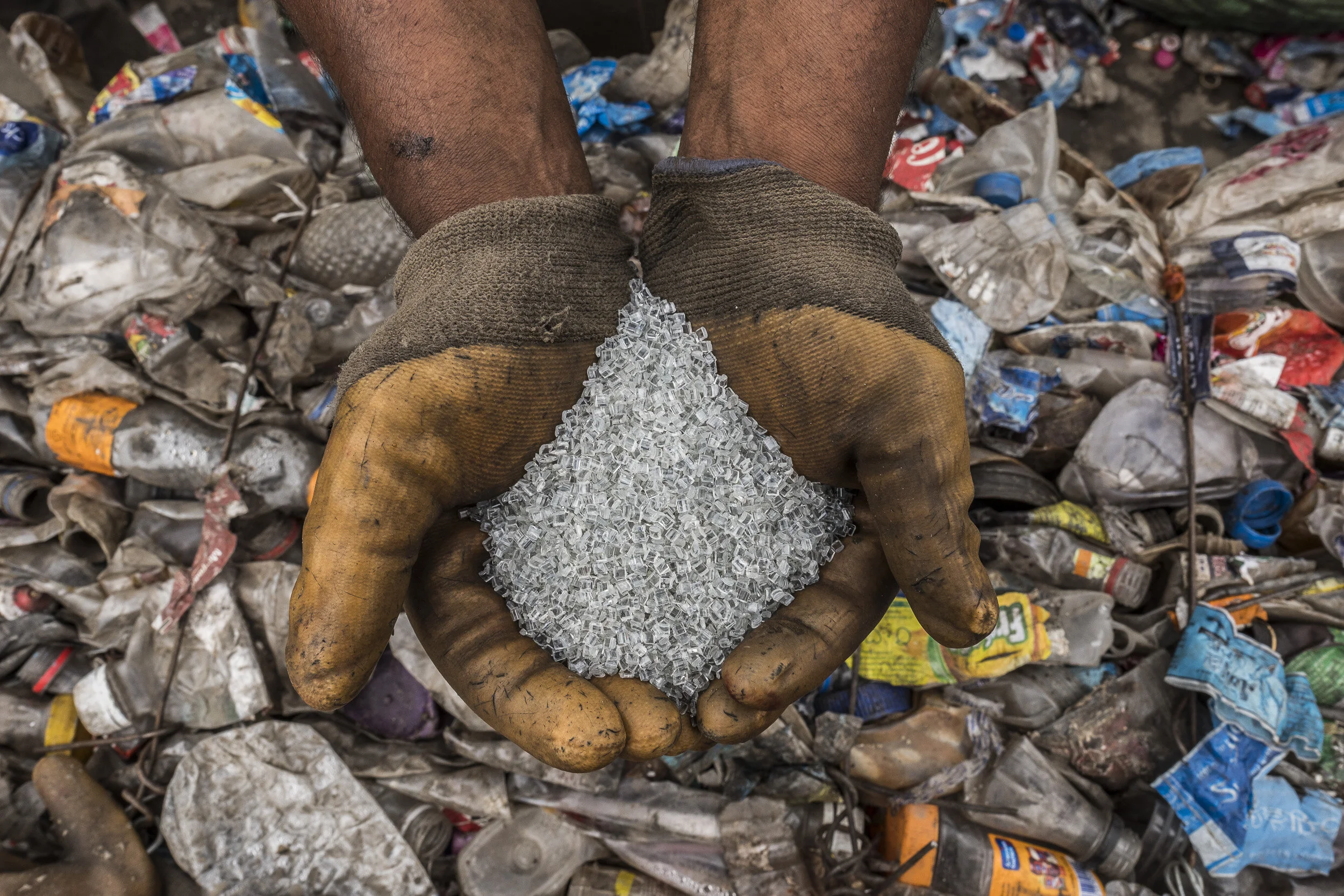
In Pokhara, Himalayan Life has built Nepal's only PET recycling facility. This is done to create jobs for street boys and thus open up future prospects for them. The boys also have the opportunity to complete an apprenticeship. Himalayan Life also offers programs in Pokhara where kids can play together and participate in sports.




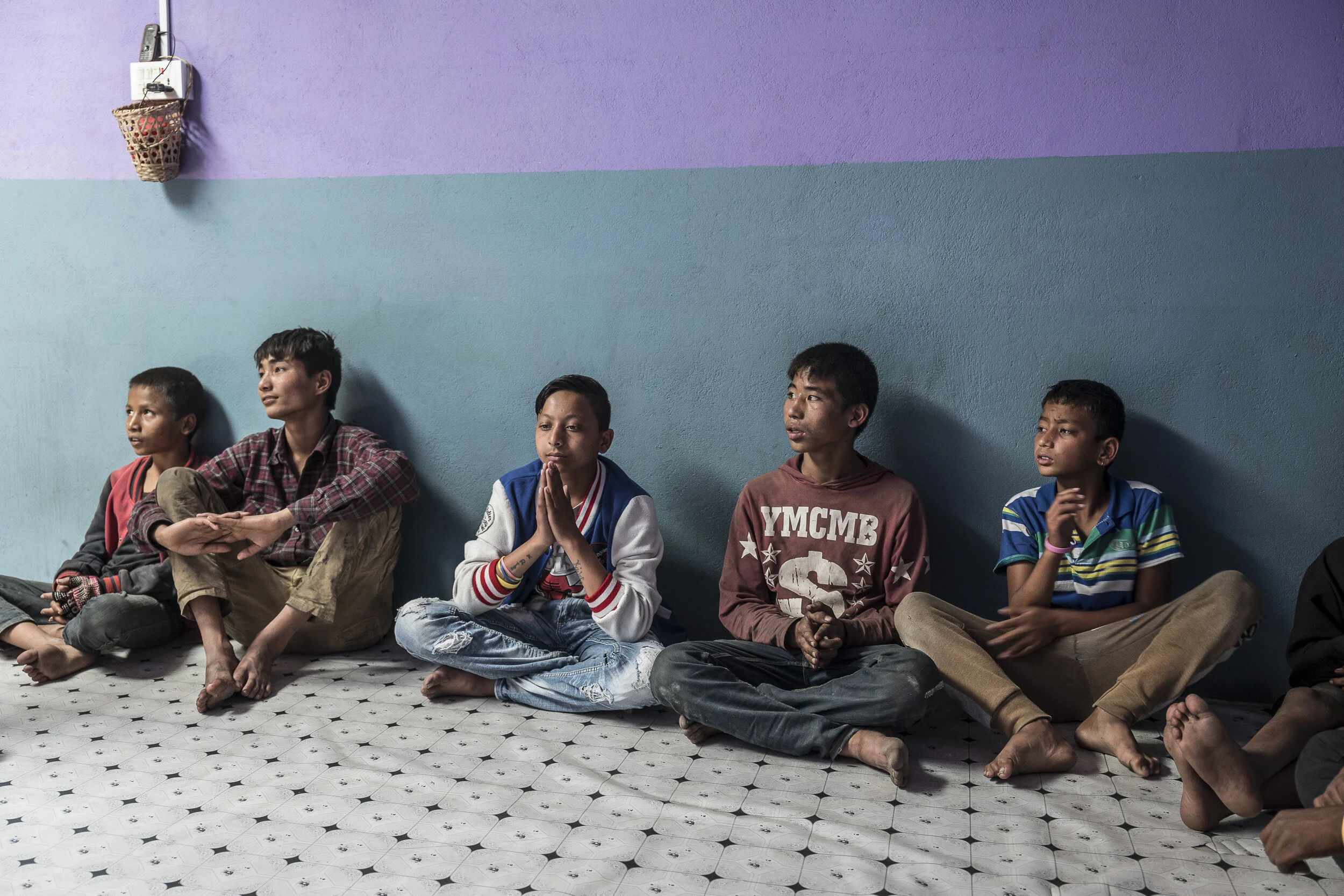


Yangri
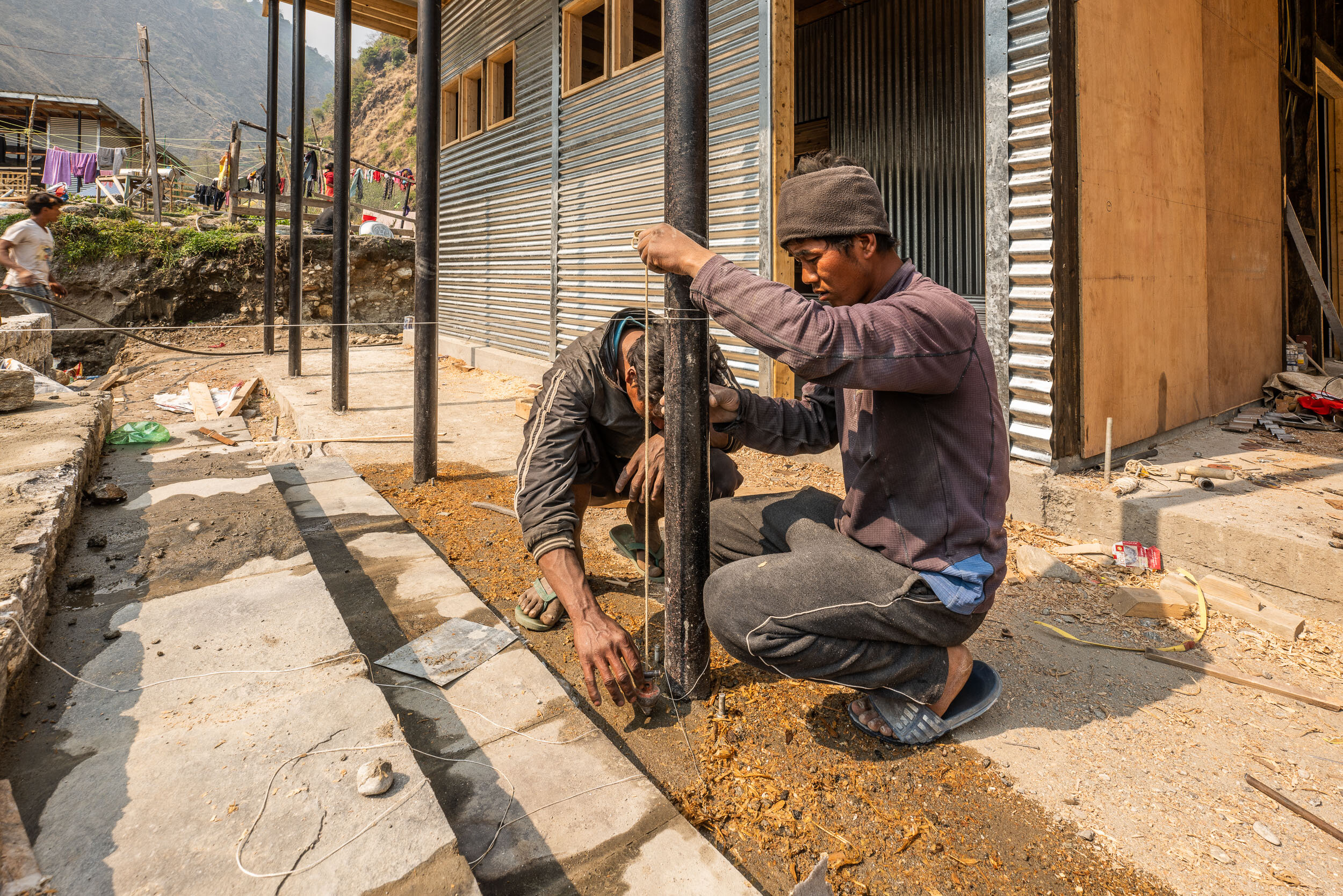
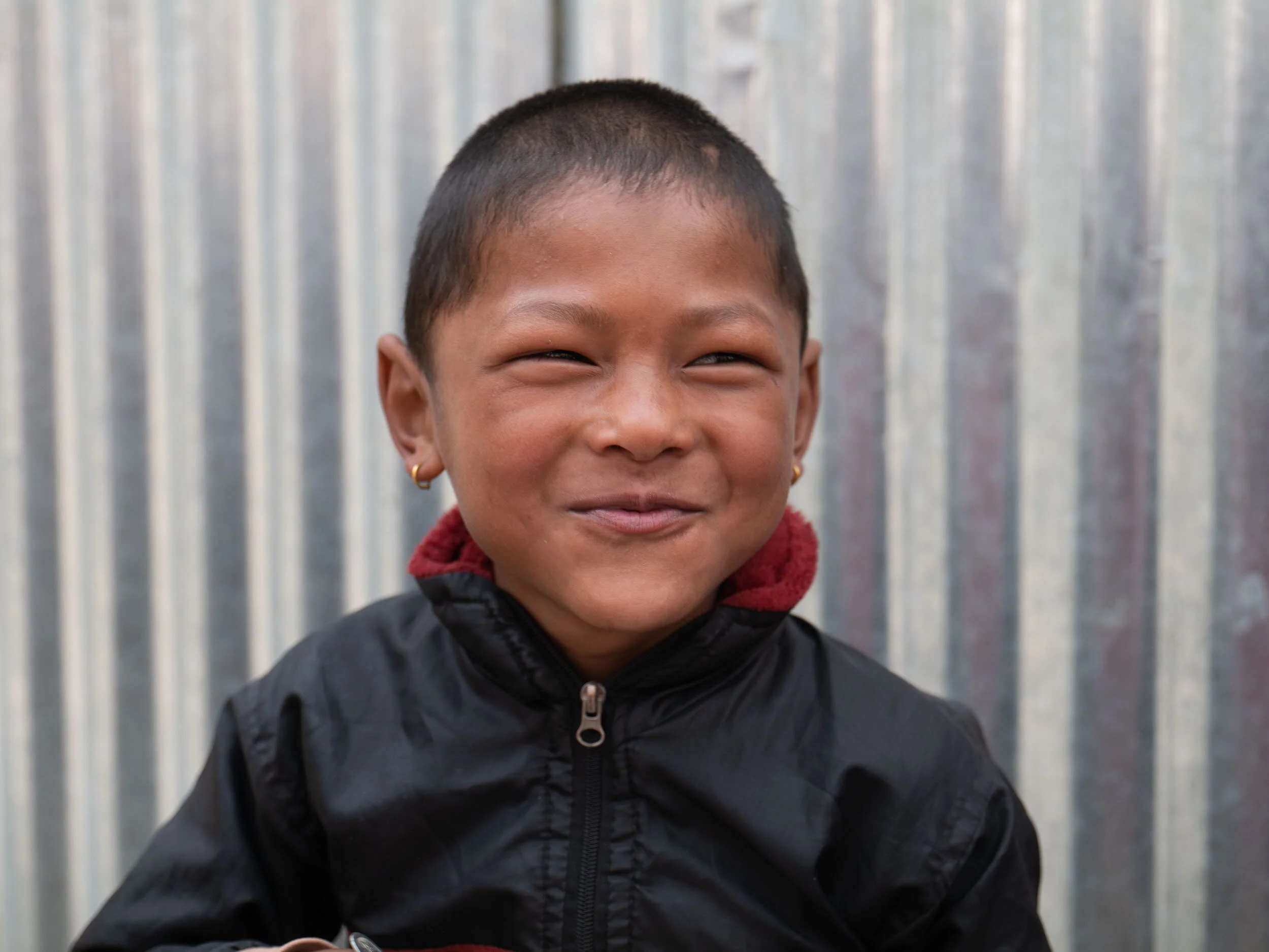
The entire Yangri Valley was severely affected by the 2015 earthquake in the Kathmandu region. Many people died and countless others were left homeless. In the initial phase, Himalayan Life helped rebuild homes and infrastructure. But education is one of the key factors for making a long-term impact. Therefore, in 2018, Himalayan Life opened a school in the valley's remotest village, where children from Yangri and the surrounding mountain villages receive an education. The entire community supports this project. Tragically, the school was virtually completely destroyed by a spring tide on the night of June 14-15, 2021. Parents begged the teachers to stay. To contribute to the reconstruction, we launched the 750_Yangri project, and we are delighted that the school's reconstruction is almost 100% funded. You can learn more about Yangri and Himalayan Life's commitment to this beautiful valley in our film "Transformation."






Chitwan
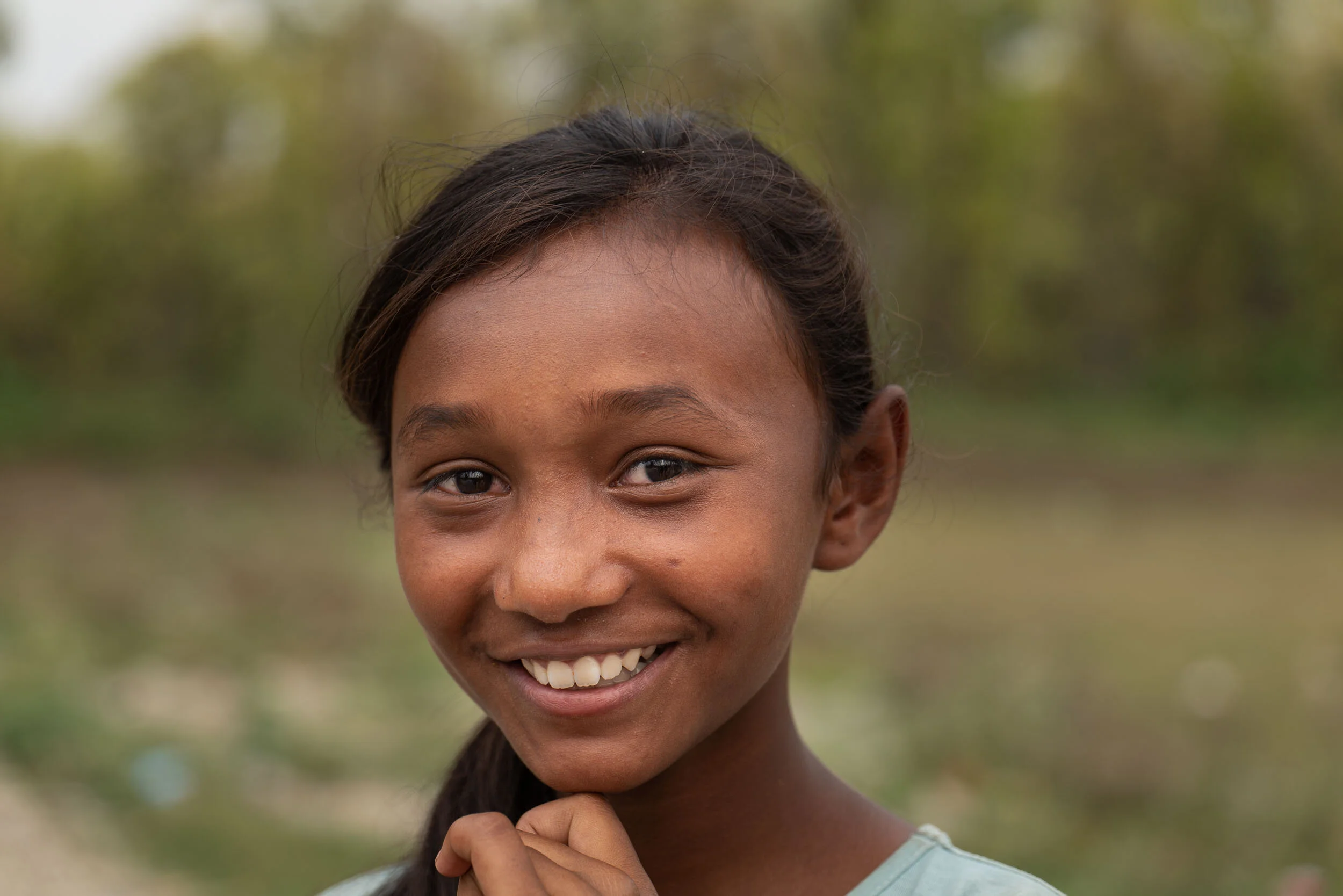
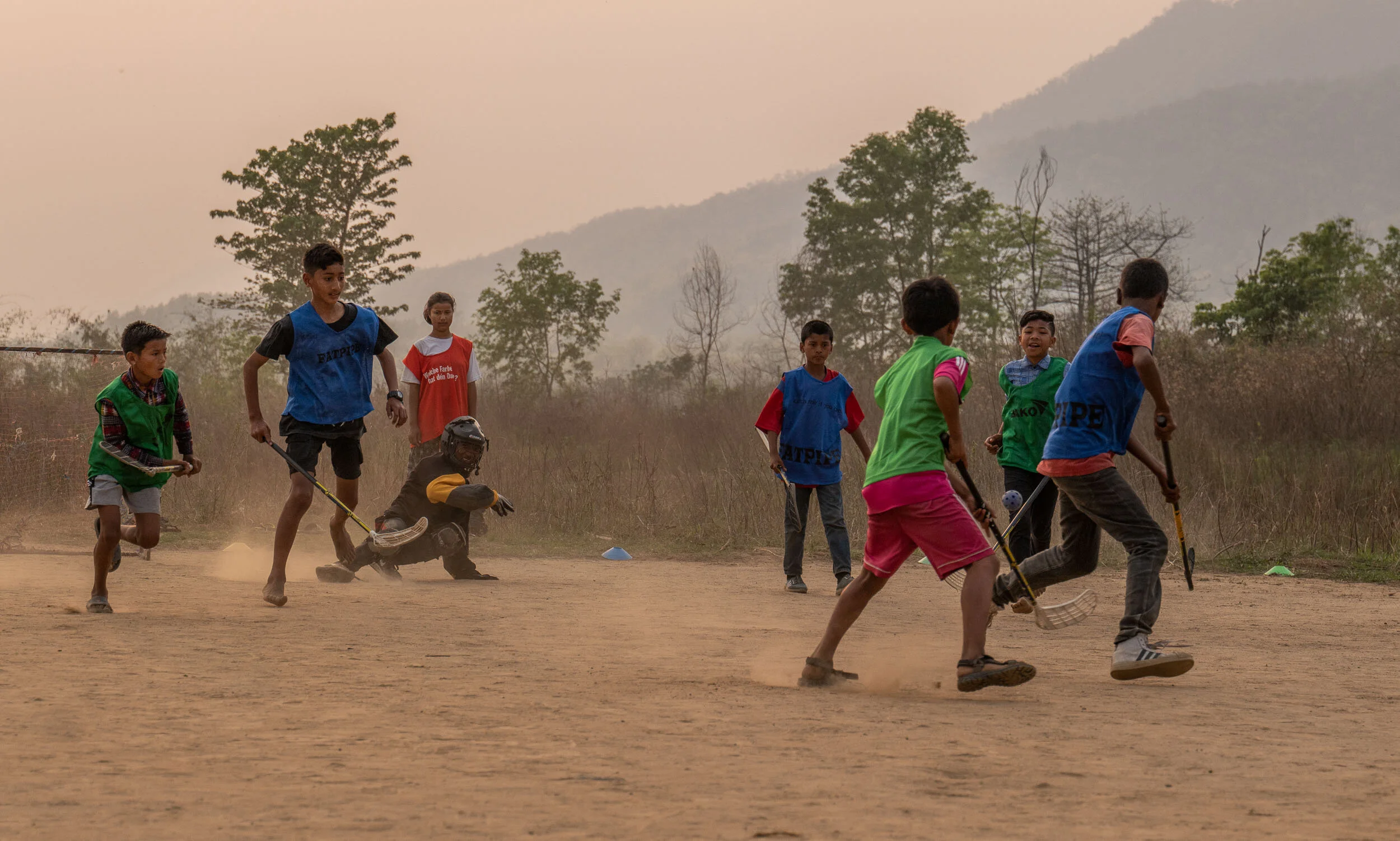
Chitwan is located in the very south of Nepal, and with its tropical climate, it doesn't necessarily fit the usual image we have of Nepal. Himalayan Life also offers many sports and social programs here. The floorball game in the jungle on the sandy ground was definitely one of the greatest sporting events of my life.




Ladakh
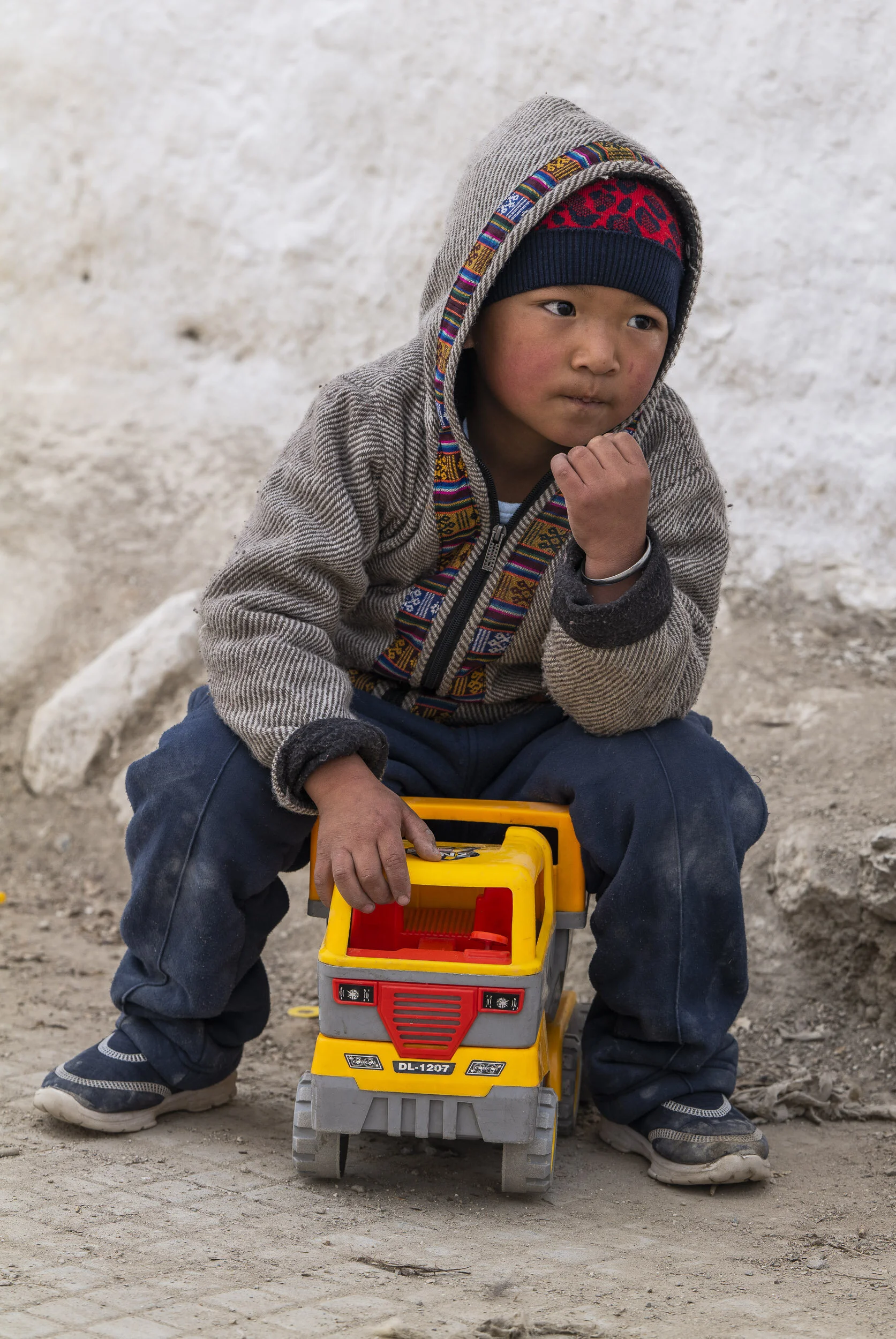
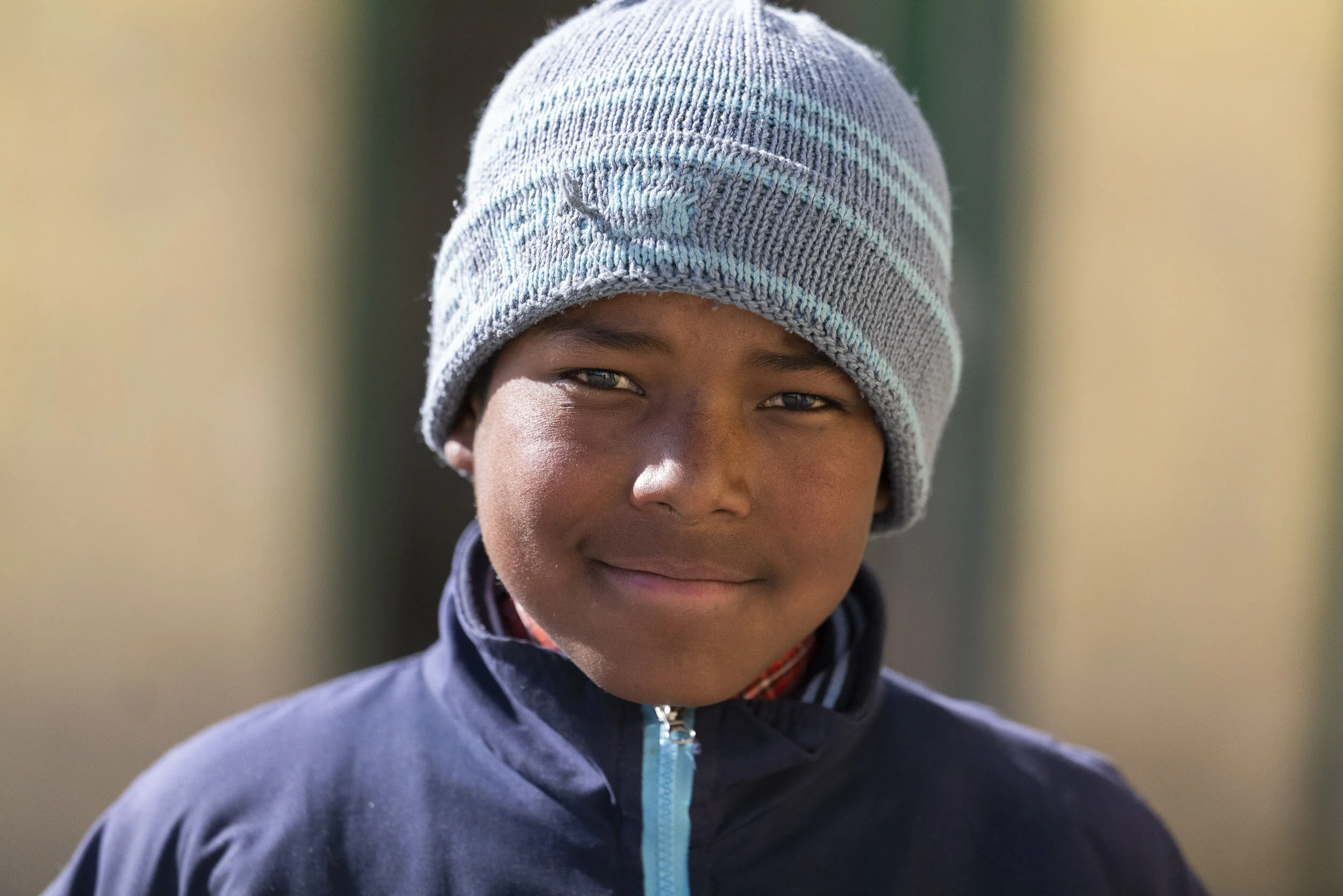
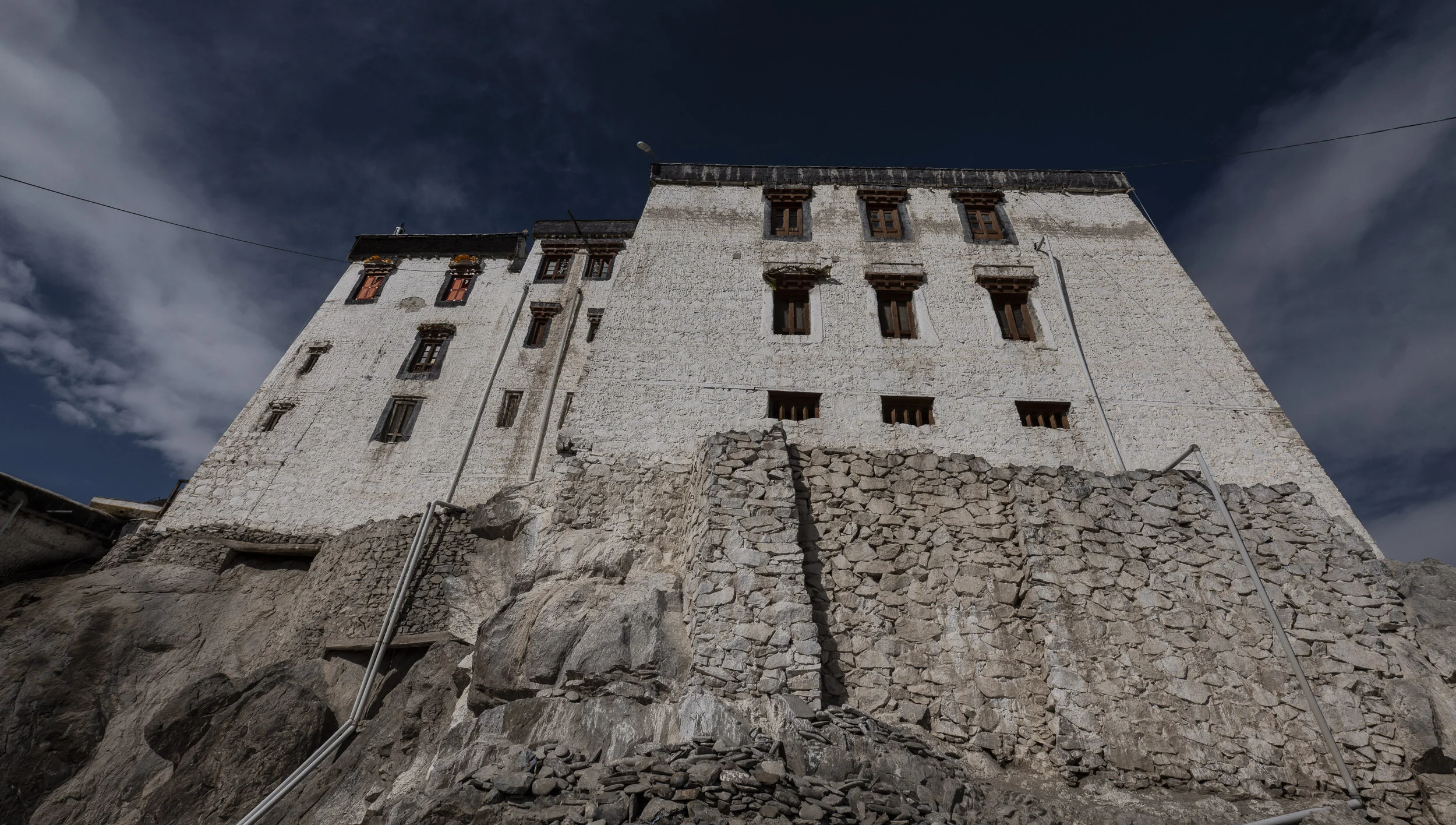
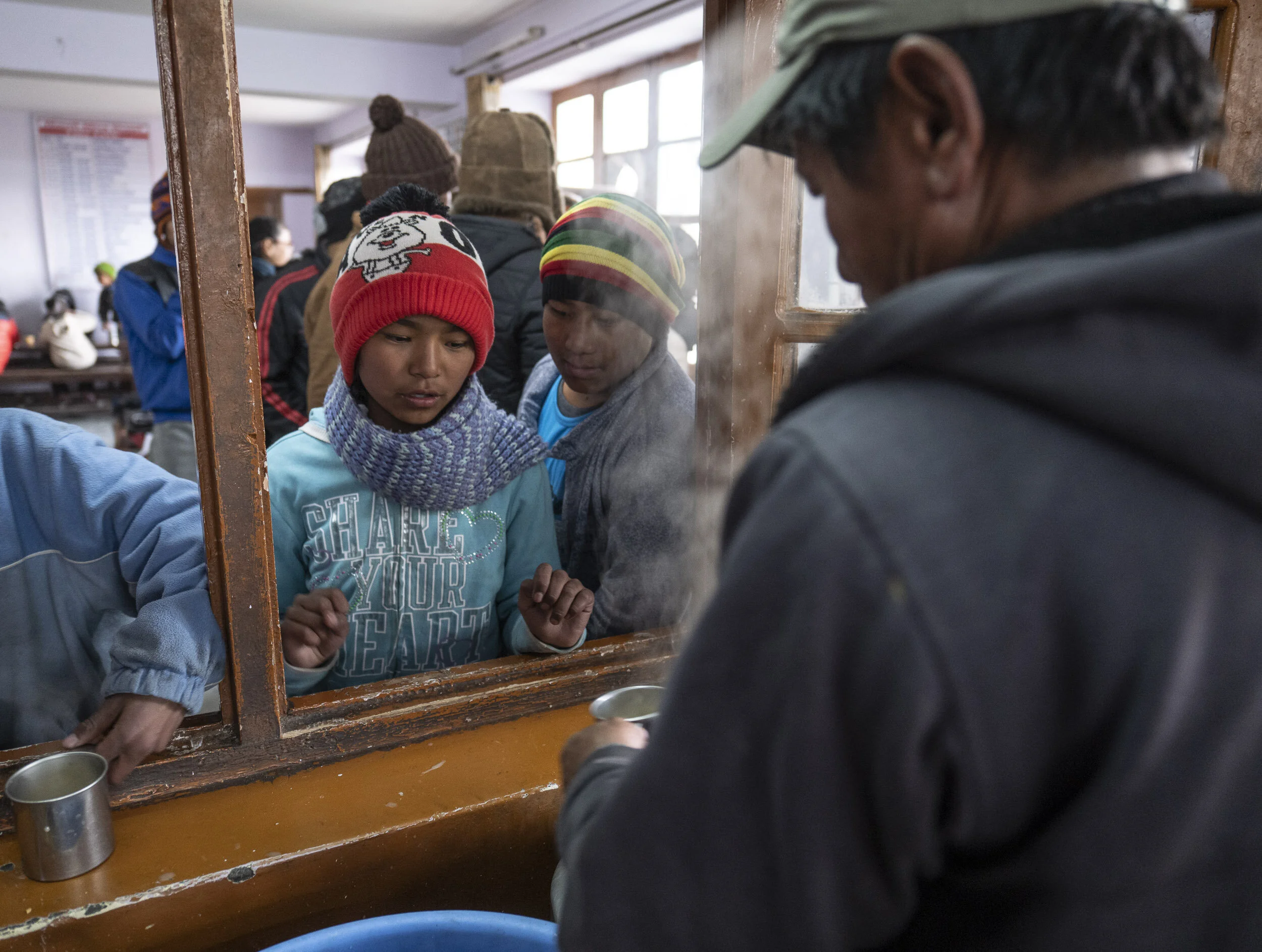
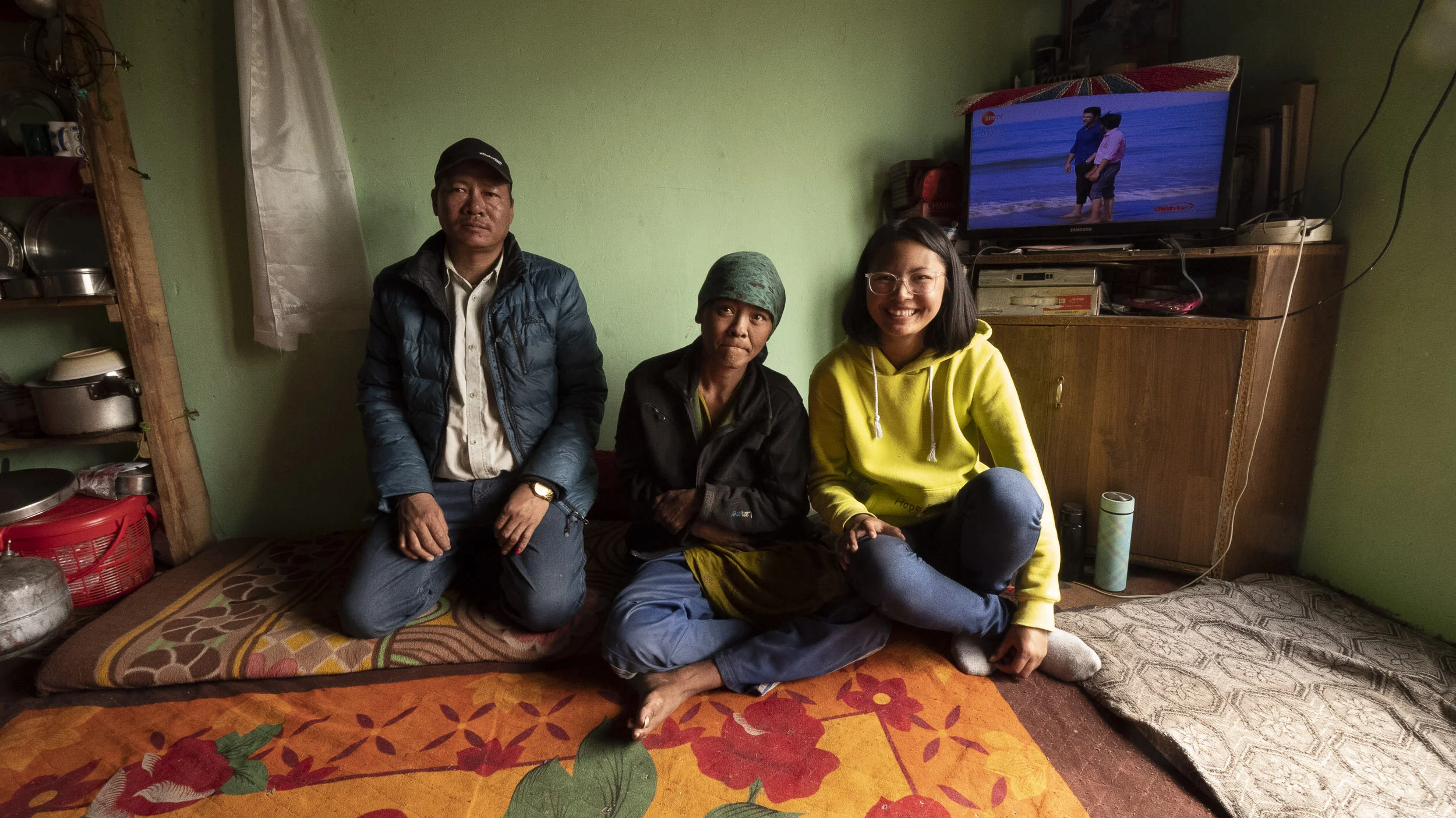
Many Nepalis live in exile in Ladakh, northern India. Their parents work in difficult construction conditions. They move like nomads from construction site to construction site, often living in tents, even though temperatures often drop into the double-digit minus range in winter. To ensure the children receive an education, Himalayan Life has opened a home where they can be. They not only receive food and a place to sleep, but also experience respect and love.










A day in the hospital
A day at the Cantonal Hospital Frauenfeld - a photo report for the Swiss Professional Association of Nurses SBK-ASI
Client
Swiss Professional Association of Nurses SBK - ASI
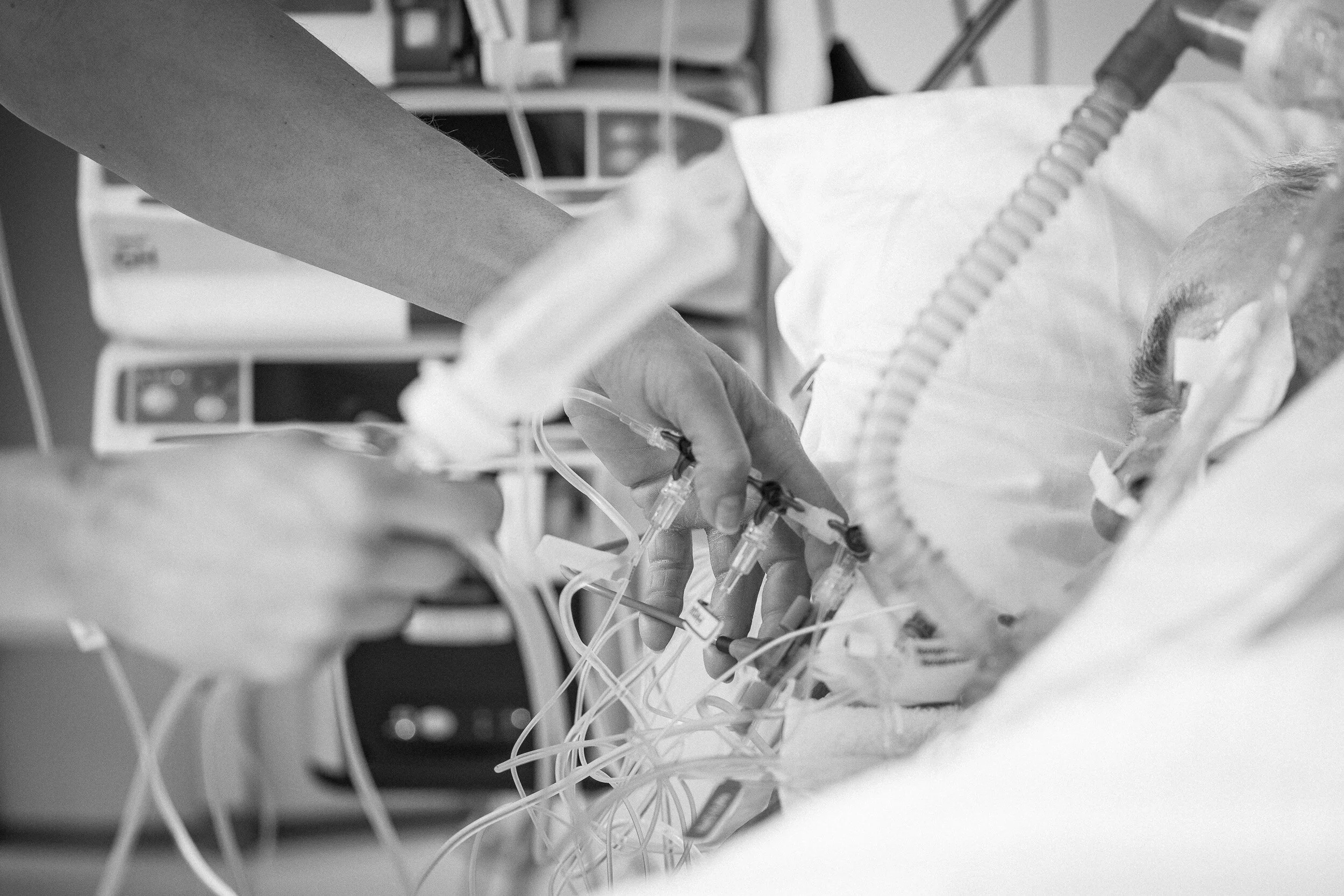
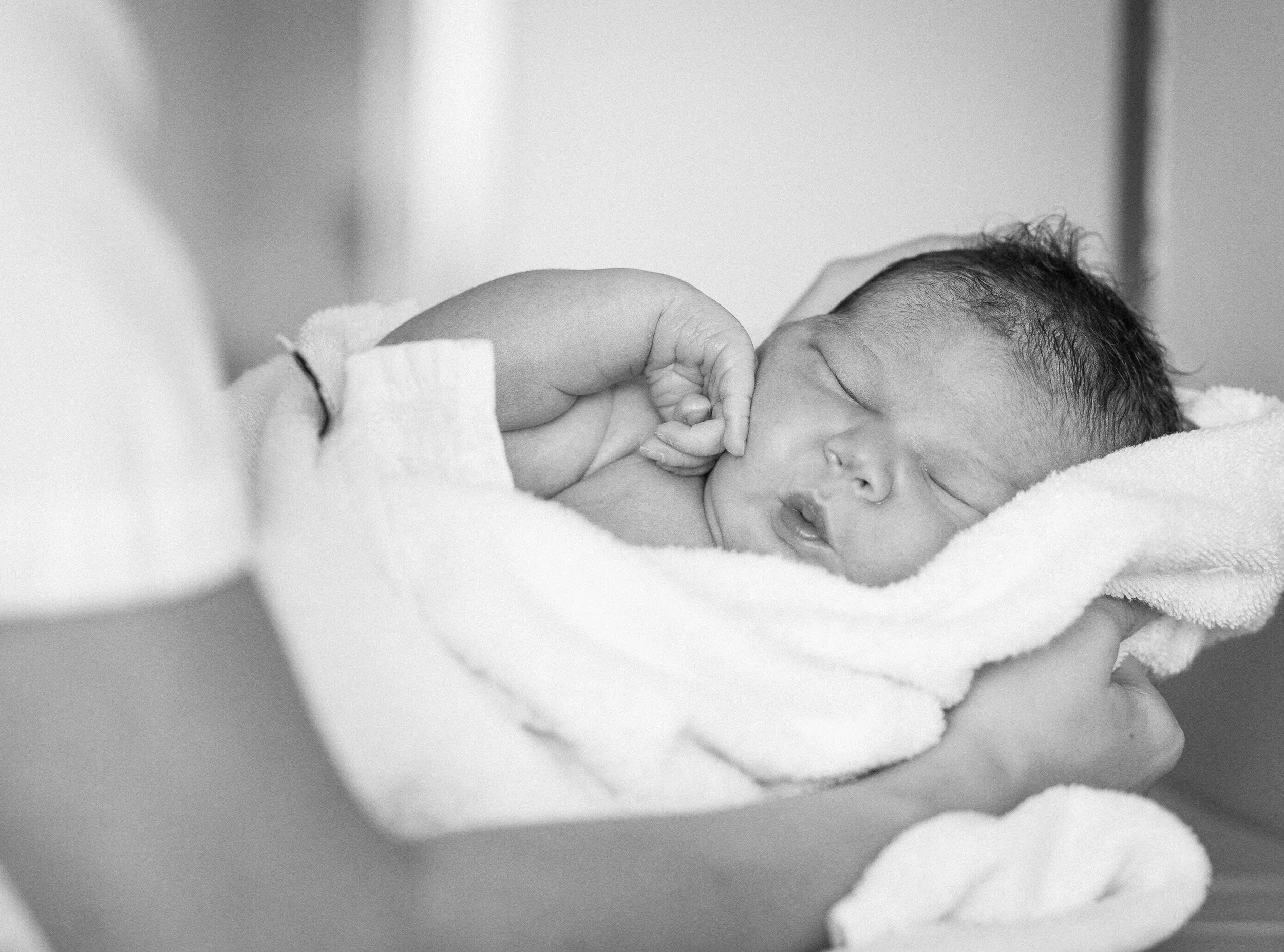
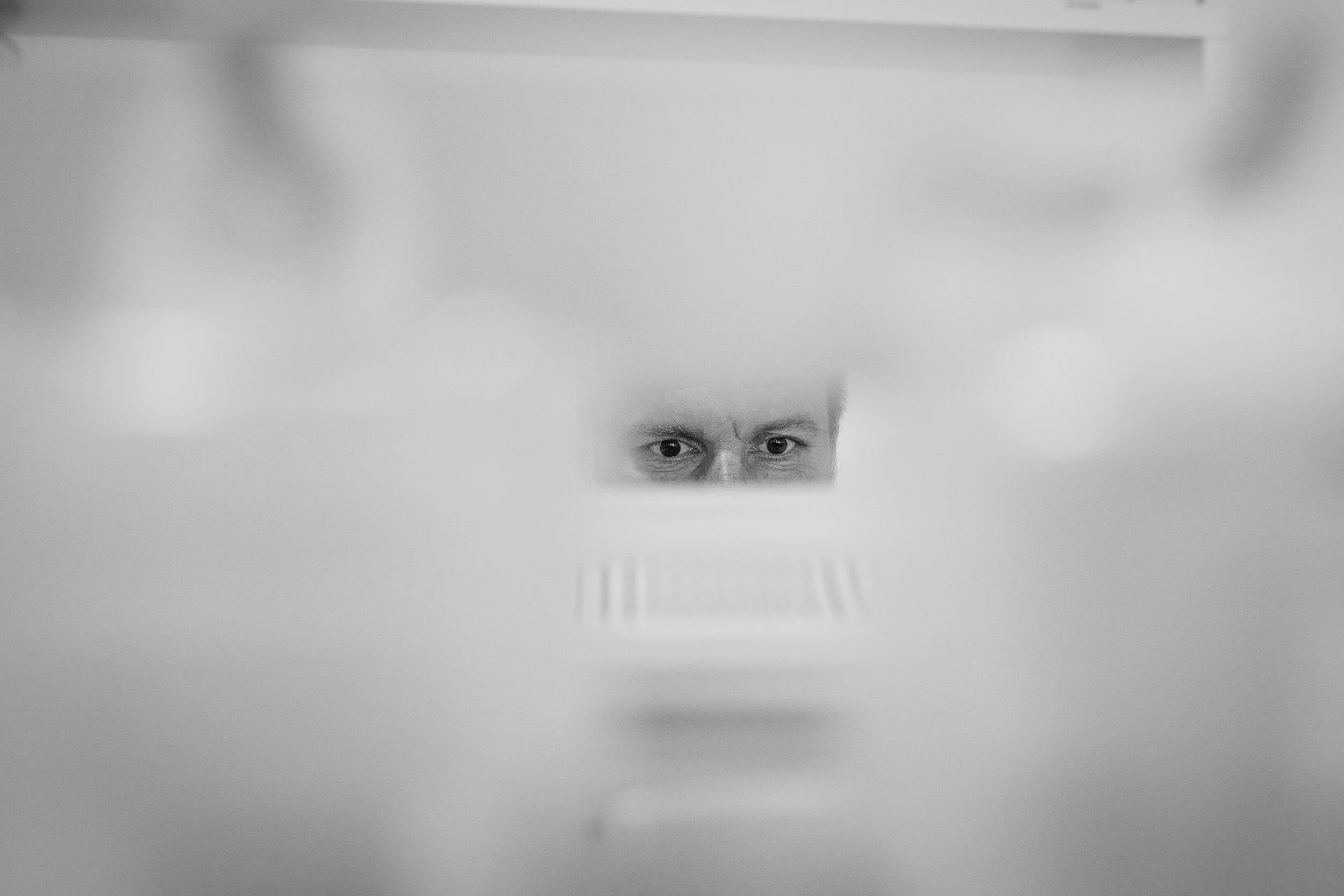
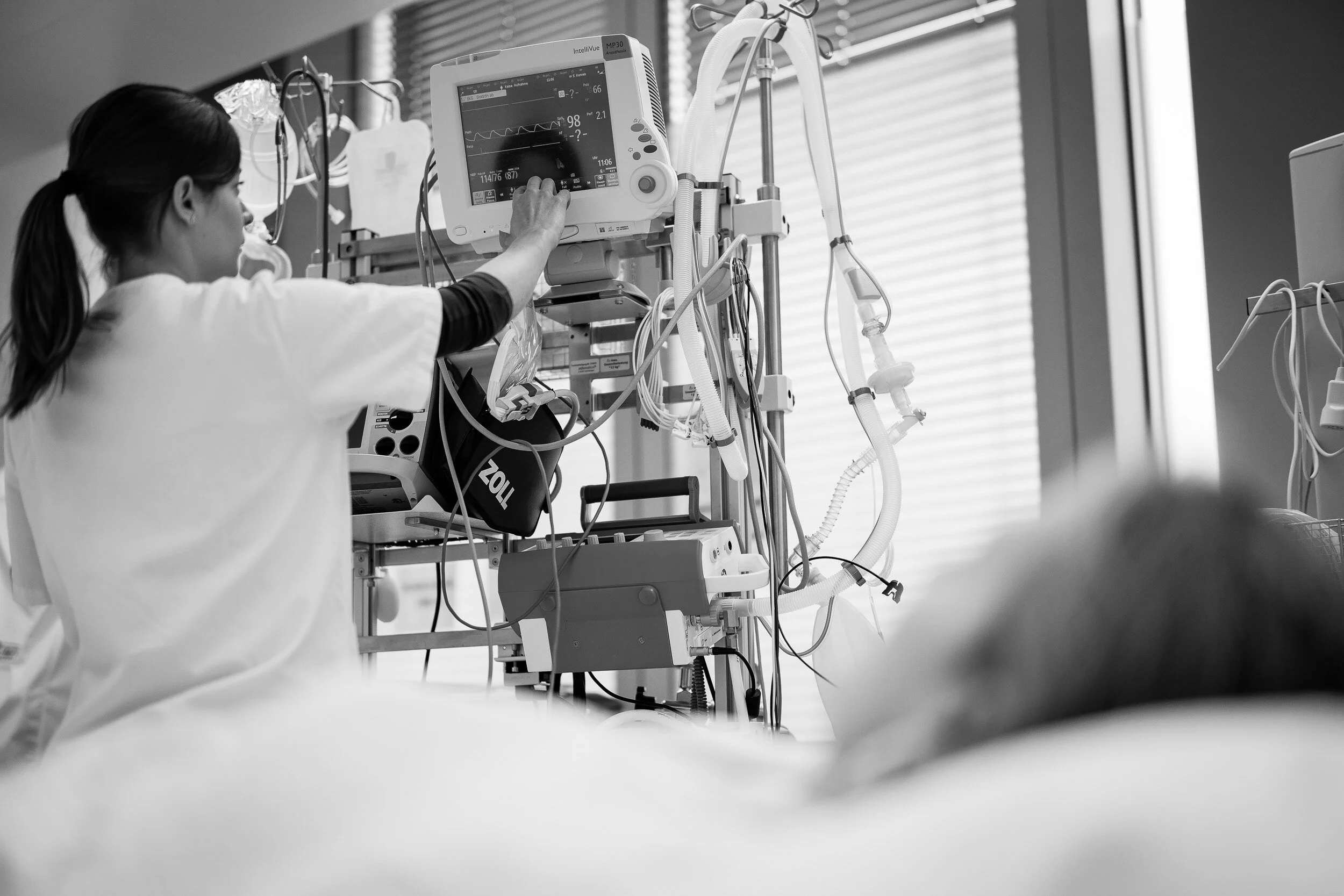
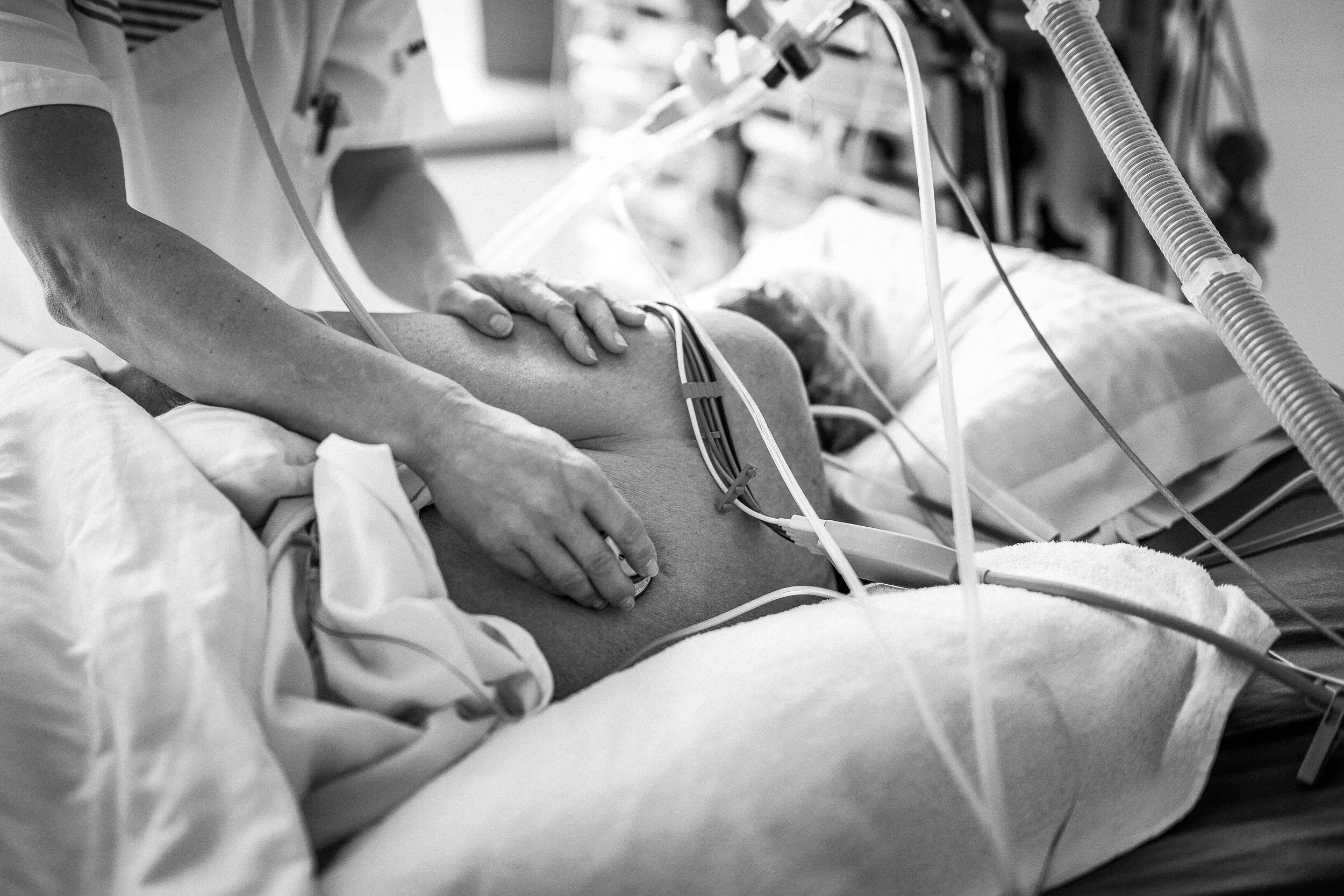
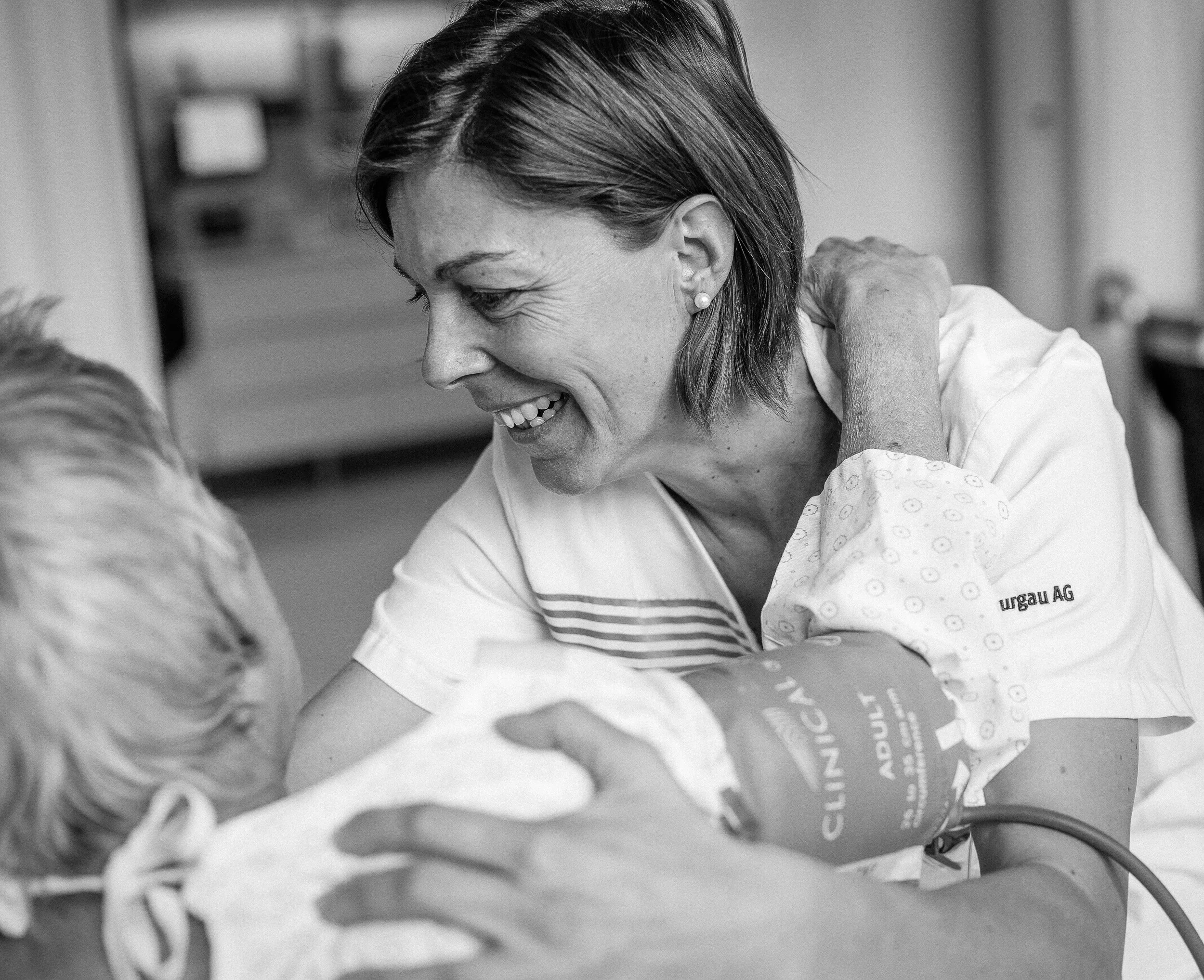
On behalf of the SBK (Social Disability Insurance Fund), I was able to photograph a day at the Frauenfeld Cantonal Hospital, naturally respecting the privacy of staff and patients. I edited some of the photos in black and white. Nowhere are life and death as close together as in a hospital. This day was correspondingly emotional for me, and my respect for the nursing staff—already very high—increased even further. They are true heroes and deserve our utmost respect.